beatBread
Q&A with Gabe Saporta: How has the dynamic between artists and labels evolved?
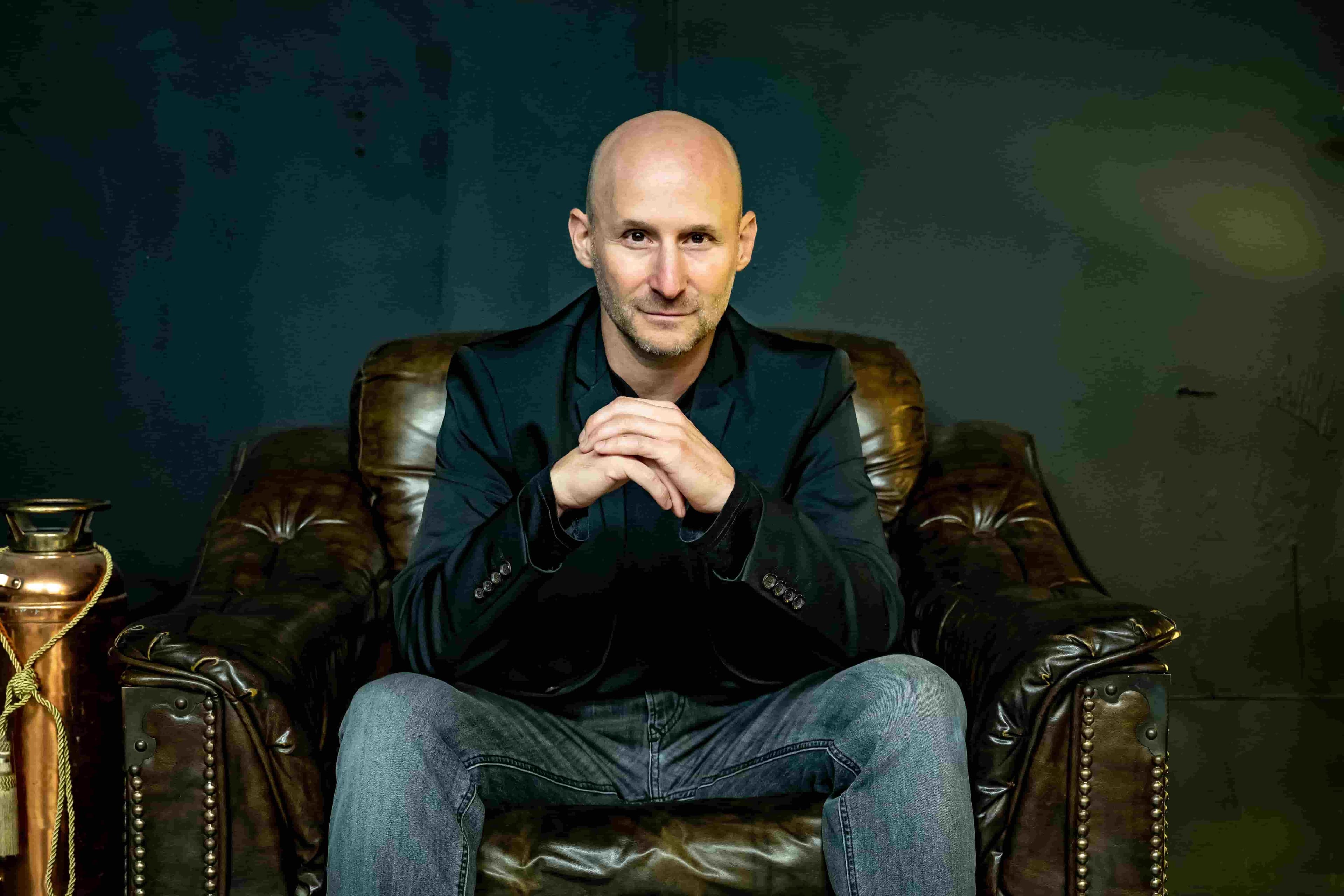
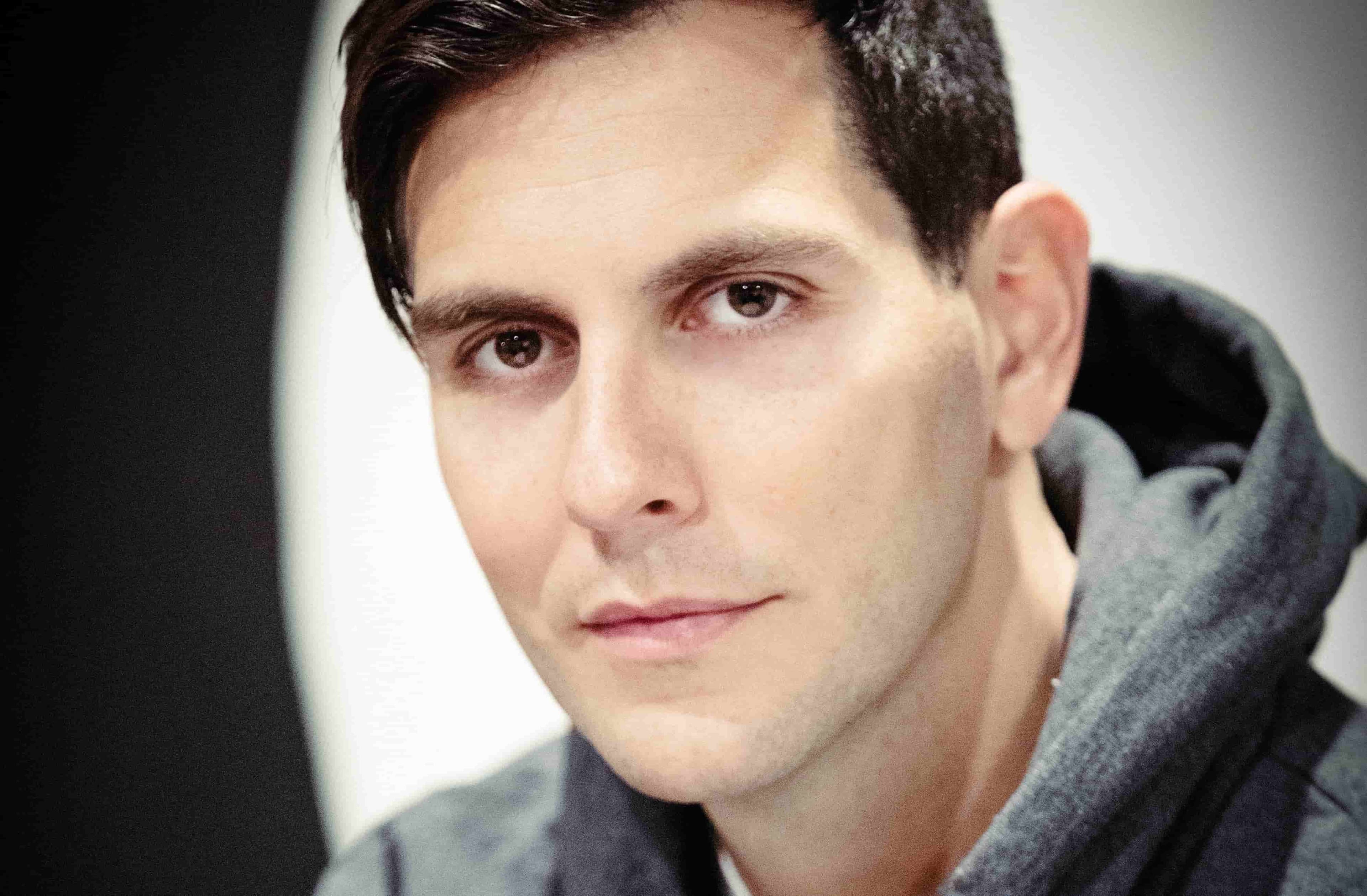
beatBread’s been sitting down with music industry experts, who share advice on how artists can be successful. beatBread spoke with Gabe Saporta, the voice and mind behind Cobra Starship, and co-founder of T∆G Music about shifts in the music industry, how the artist-label relationship has changed, and what that means for today’s professional musicians.
What are some of the big changes [in the music industry] that you've noticed over the last 10 to 15 years?
Saporta: I think the biggest change is the lack of ubiquity. The world has become much more "nichified", so everyone can exist in their own bubble. It used to be that everyone knew this song across all music, but that doesn't exist anymore. On one hand that's a little bit of a loss, but on the other hand, it's great that people can create their own worlds and be able to thrive in them.
Another part that’s allowed that to happen is the monetization of music. When the internet first came out, the first casualty on the media side was music, because people were just downloading songs and not paying for them. Records, recorded music, had no value, so once the monetization issue was kind of solved through streaming.
Spotify and other streaming platforms have allowed artists to almost become their own labels and put up the music the way they want to. Artists now can make a lot of money, even with their core audience, without going on the radio like they used to have to do.
Also, whereas before you sell one album that’s a one-time event. Now, when you stream music it pays forever. People are going to be listening to this song in 40 years, [you’re] still going to be making money. It actually makes your recordings more valuable than they've ever been, which obviously has made it more competitive at the same time. There's more people uploading music than ever, but because of how lucrative it is. Technology has leveled the playing field so a whole bunch of different people can make music and put it out quickly.
In the current environment, what should artists keep in mind when planning their careers?
Saporta: Right now, I think the marketing component and being able to stand out is more important than ever. Ultimately what you're seeing is a reemergence of this middle class of artists. When I was coming up [as an artist] you either had to have hits on the radio or you did not have a career. When I was a fan growing up I liked independent artists and I would buy their records and these independent artists, maybe they sold 50,000 [or] 100,000 records, whatever it was, and that's real money for them. It’s a couple million dollars here they can split it up with everybody. Now that [there’s] streaming, there's this reemergence of a middle class in the creative music club, and I think that's very exciting.
How has the dynamic between artists and labels evolved?
Saporta: Before, labels would only do royalty deals and artists royalties were usually less than 20% of the revenue. Now they're doing more net profit split deals where it’s like “Hey, we’ll just split the profits,” and it’s more a fifty-fifty deal. The economics are much more artist friendly.
But for [independent] artists, the focus has really shifted to creating their sound and their universe and also dealing with all that goes into the logistics of being a label. That's why I started T∆G Music, because I feel like artists need partners that fulfill those label services, but they don't need to sign these owner deals anymore. So, I think for the latter artists what they should look for [is] a label who really understand their vision. There’s definitely a need now for artists to find partners early on that are going to help them build.
What advice would you give to artists as they navigate their careers?
Saporta: People like songs, but they fall in love with the artist –you don't see people putting posters of songs up on the wall, you see them putting posters of the artists. The reason they do that is not because of the songs themselves, but because of the message behind the songs, because of what that artist stands for and what the unique perspective is.
I think that a lot of people focus on a great song, and that's really important, but the song is the tip of the spear –it’s the entry point to getting to know you as the artist. I think the most important thing is for artists to really figure out what their message is, what they have to offer to someone that doesn't know them that would get them to care about what music they’re making. The process of that is really a process of self-discovery, of finding a unique perspective on the world to share with the world. That’s the big one, that’s what I think is really underpinning everything in music.